











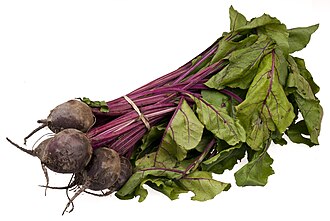


.jpeg)

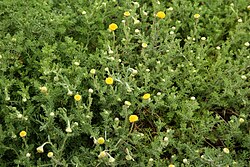


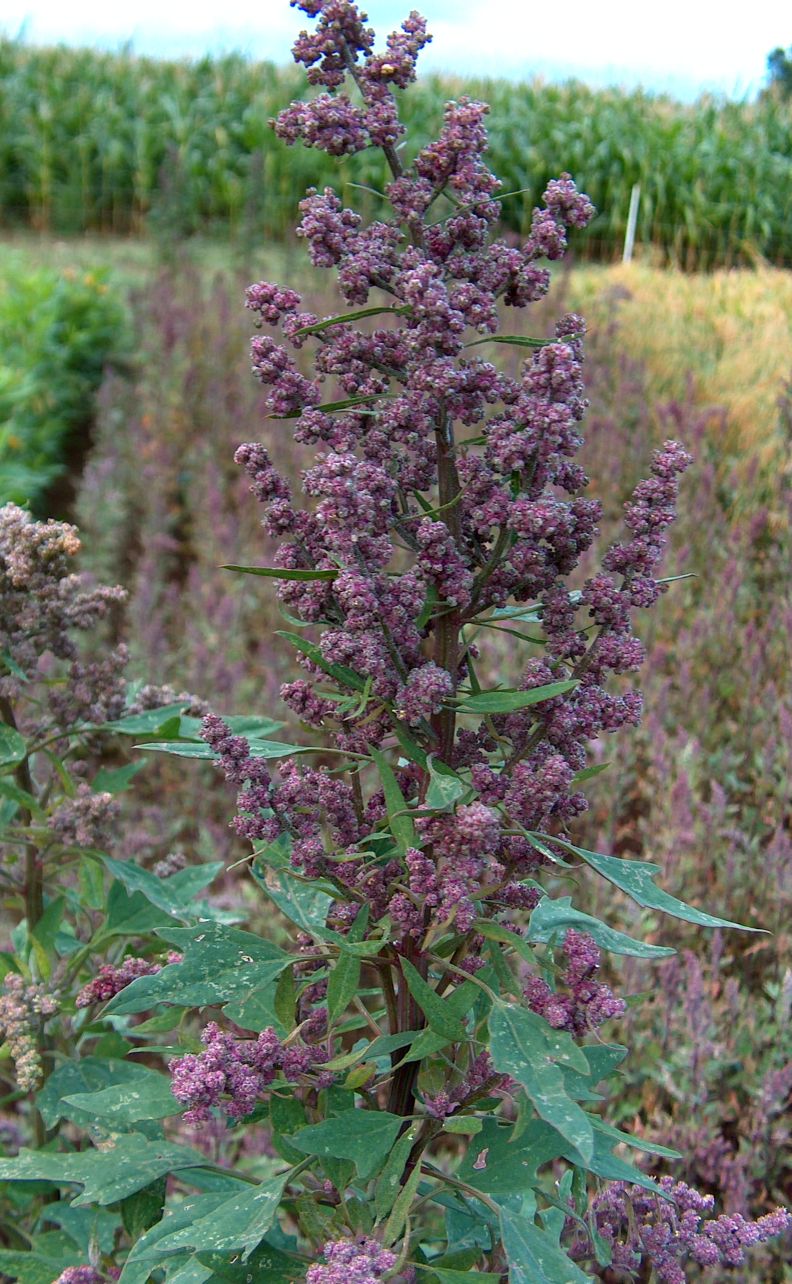
Each record represents one plant species consumed on a given day – independent of quantity or frequency.
A total of 206 botanical species recorded across the year.
Average number of different plant species consumed per day.
The ten most frequently consumed species account for nearly a quarter of all records.
Species that appeared only once – the long tail of the diet.
Maximum observed seasonality across all recorded species.
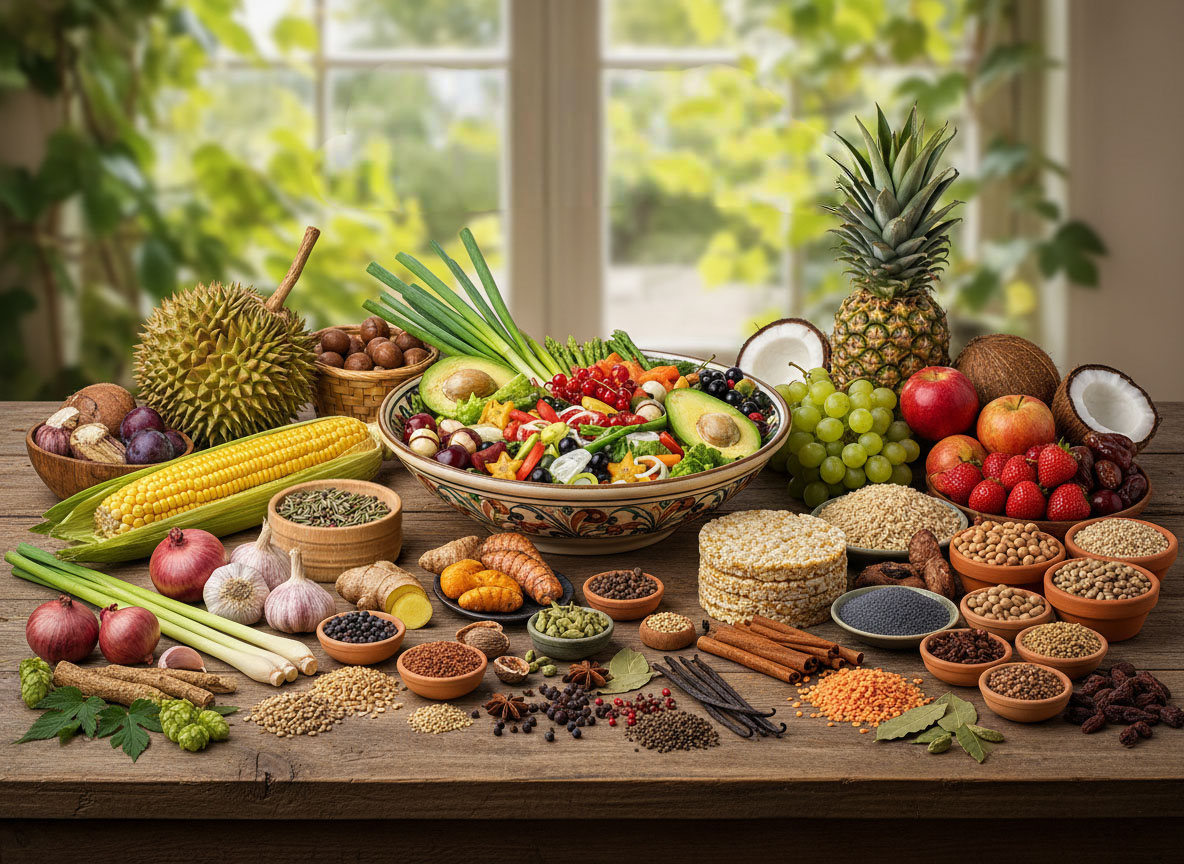
We usually quantify food by nutrients, calories, or macros. Nutritio Botanica shifts the focus to a more fundamental question: Which species are we actually eating?
Plants are the foundation of human existence. Through photosynthesis, they produce the oxygen we breathe and form the basis of almost all our food — either directly, when we eat plants, or indirectly, when they feed our livestock. Yet in modern diets, the organism often disappears behind the product.
Nutritio Botanica restores the plant to the center of the narrative — not as a mere ingredient, but as a living organism.
Instead of quantities or health claims, the project looks at presence:
Which plant species appear in the diet, how often, how evenly across the year –and which do not.
This species-based perspective makes patterns visible that remain hidden in aggregated nutrition studies:
Nutritio Botanica is based on a complete dietary log covering twelve consecutive months. Every plant consumed was recorded and assigned to its botanical species.
Th result is a taxonomically precise data set that allows diet to be explored in away more commonly associated with ecology than with nutrition.
The results show:
Note: This data reflects a personal journey and is intended as a case study, not a representative population sample.
The website invites you to explore the data interactively, discover patterns and make comparisons.
The goal is to raise awareness of the botanical diversity of our diet – without moral appeals, health promises or self-optimisation rhetoric.
It's all about the joy of plants, culinary diversity and scientific curiosity.